

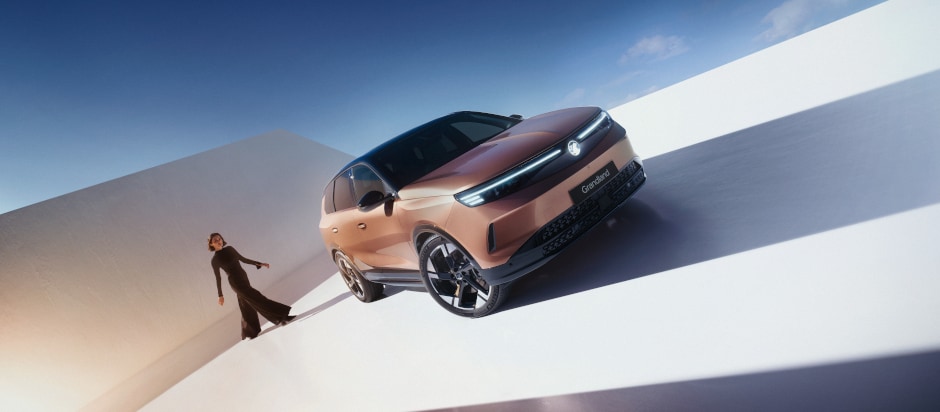

Vauxhall introduces an energy-saving monocoat paint process for the Grandland black roof at its Eisenach plant.
Key Takeaways
Vauxhall has introduced a resource-saving monocoat paint process for the Grandland contrasting black roof.
The Grandland is the first Stellantis model in Europe to adopt this innovative paint application method.
The process reduces water usage by around 80,000 litres per month at the Eisenach plant in Germany.
Annual carbon dioxide emissions at the plant are expected to fall by approximately 580 tonnes.
Electricity and thermal energy requirements are reduced by 500kW and 150kW per production hour respectively.
More than 550kg of the Grandland is constructed from recycled and regenerative raw materials.
The Grandland finished third overall and was named the top mid-size SUV in the 2026 Auto Express Driver Power survey.
Overview
The Vauxhall Grandland now benefits from an innovative monocoat paint process for its standard contrasting black roof. This manufacturing update reduces the environmental impact of production at the Eisenach plant in Germany while maintaining a high-quality finish. The Grandland is available with a choice of fully electric, plug-in hybrid and hybrid powertrains.
Technical Changes and Paint Process Efficiency
Previously, the contrasting black roof finish on the Vauxhall Grandland required separate applications of a base coat and a clear coat, with additional drying stages between processes. The newly introduced monocoat method combines these two stages into a single operation. This eliminates an entire drying stage and reduces the total number of paint applications.
Environmental and Resource Impact
By streamlining the paint application, the Eisenach plant achieves significant resource savings. The monocoat process reduces water consumption by around 80,000 litres per month. Annual carbon dioxide emissions at the facility are expected to decrease by approximately 580 tonnes.
Energy requirements are also lowered, with electricity consumption reduced by 500kW per production hour and thermal energy requirements reduced by 150kW per production hour. Additionally, the streamlined process reduces the volume of waste products generated during manufacturing.
Sustainable Materials and Vehicle Construction
The paint process update aligns with the wider focus on sustainability throughout the development of the Grandland. More than 550kg of the vehicle is made from recycled and regenerative raw materials. Materials derived from recycled PET bottles are integrated into several interior areas, including the seats, door panels, dashboard and centre console.
Market Performance and Customer Satisfaction
The Vauxhall Grandland finished third overall in the 2026 Auto Express Driver Power customer satisfaction survey. It was also ranked as the top mid-size SUV in the same study, making it one of three Vauxhall models to place within the top 10.
Standards and Methodology
The environmental savings and energy reductions cited are measured at the Stellantis manufacturing plant in Eisenach, Germany. Customer satisfaction rankings are derived from the 2026 Auto Express Driver Power survey, which evaluates real-world vehicle ownership experiences in the UK.
Comparison Table
Metric or Stage
|
Previous Paint Process
|
New Monocoat Paint Process
|
Application Stages
|
Separate base coat and clear coat applications
|
Combined single operation
|
Drying Stages
|
Multiple drying stages required between applications
|
Reduced drying stages
|
Water Consumption
|
Standard baseline
|
Reduced by around 80,000 litres per month
|
Plant CO2 Emissions
|
Standard baseline
|
Reduced by approximately 580 tonnes annually
|
Hourly Electricity Savings
|
Standard baseline
|
Reduced by 500kW per production hour
|
Hourly Thermal Energy Savings
|
Standard baseline
|
Reduced by 150kW per production hour
|
FAQs
Vauxhall has introduced a monocoat paint process for the Grandland contrasting black roof, combining the base coat and clear coat applications into a single operation.
The Vauxhall Grandland is produced at the Stellantis manufacturing plant in Eisenach, Germany.
The new process reduces water usage at the manufacturing plant by around 80,000 litres per month.
Annual carbon dioxide emissions at the plant are expected to fall by approximately 580 tonnes.
The monocoat process reduces electricity requirements by 500kW and thermal energy requirements by 150kW per production hour.
More than 550kg of the vehicle is constructed from recycled and regenerative raw materials, including recycled PET bottles used in the seats, door panels, dashboard and centre console.
The Grandland finished third overall and was ranked as the top mid-size SUV, placing it in the top 10 UK cars.
The Grandland is available with a choice of fully electric, plug-in hybrid and hybrid powertrains.